
As Public Facility Corporation (PFC) and Housing Finance Corporation (HFC) programs continue to expand across Texas, many multifamily operators are finding themselves in unfamiliar territory, tasked with managing affordable housing compliance without a clear roadmap. That’s exactly the gap this TAA ONE Conference session set out to fill.
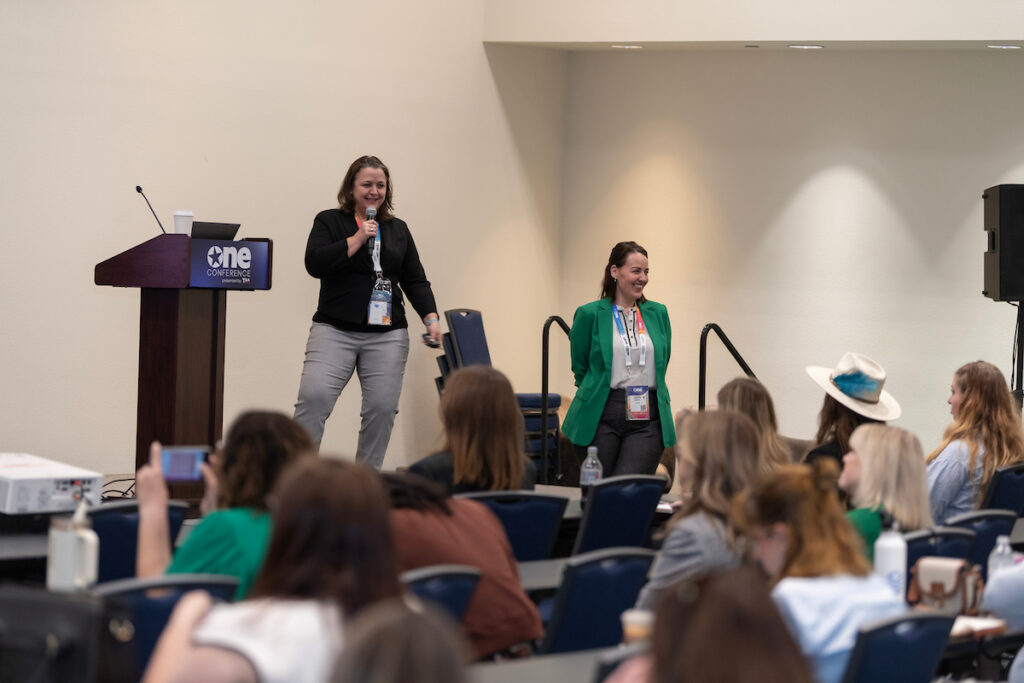
At the 2026 TAA ONE Conference, “PFC/HFC 101: A Practical Guide for Teams Who Weren’t Given a Manual” co-presented by Taryn Merrill, MA, COS and Manager of Affordable Housing at Greystar, along with Celine M. Williams, President of Celine M. Williams Services, delivered what many in the room likely needed most: clarity, structure, and practical guidance for navigating the day-to-day realities of compliance.
From “Wild West” to Working System
The session opened with a sentiment that resonated immediately: compliance can feel like the “Wild West.” But as the speakers emphasized, that perception often comes from misunderstanding what compliance really is and isn’t.
Rather than a burden or a checklist, compliance is a system and culture that, when done right, actually streamlines operations and protects both residents and assets. One of the most important mindset shifts? Compliance isn’t static. It requires ongoing attention, adaptation, and ownership across the entire team, not just one person or department. This is one of the 6 myths the duo unpacked along with 5 others:
- Compliance is a burden
- A one-size-fits-all solution is enough
- It’s just another checklist
- If I find a mistake, I’ll be in trouble with Compliance
- Compliance is just all the things I can’t do
Understanding the Foundations
Before diving into operations, the session grounded attendees in the fundamentals. PFC and HFC programs come with their own structures, requirements, and terminology, and are often filled with acronyms like AMI (Area Median Income), TIC (Tenant Income Certification), and NAUR (Next Available Unit Rule).
At the core of both programs is what the presenters called the “Big Three” of compliance which includes:
- Household: Who lives in the apartment (all members must be listed)
- Income: What money comes in (include wages, benefits, and self-employment; must be annualized
- Assets: What does the household own; include bank account and investment and verification is required
These three elements determine eligibility and must be accurately documented, verified, and maintained. Even seemingly small oversights, like missing income sources or unverified assets, can create major compliance issues later.
Where Things Go Wrong
For many operators, the challenge isn’t understanding the rules; it’s executing them consistently. The session highlighted some of the most common compliance breakdowns seen in audits, including:
- TICs not signed or filled out correctly
- Files not in consistent order or difficulty understanding “the story”
- Applications missing information
- Not understanding the Reg Agreement and requirements
- Unnecessary documents and/or loose paper and sticky notes
- Workbook calculations not matching the TIC amounts
- Data gaps in income verification
- Lease contract date doesn’t match the TIC effective date
- Renewing with incomplete recertifications
- Rent roll doesn’t match the files
These aren’t just technical errors. They’re red flags for auditors and can put a property’s tax-exempt status at risk.
PFC vs. HFC: Details That Matter
One of the most practical takeaways from the session was understanding the differences between PFC and HFC programs, especially when it comes to rent calculations and audit requirements.
For example, HFC properties include all recurring mandatory fees in rent calculations, while PFC properties do not. It’s a subtle distinction, but one that can significantly impact compliance if misunderstood.
Audit timelines also differ. PFC audits are typically due by June 1 following the first anniversary of the date of the PFC acquisition or the date the PFC is first occupied. HFC audits follow a similar timeline but are tied to the tax year and allow limited extensions. Therefore, the audit due date for HFCs is by June 1 of the tax year following the date of the HFC acquisition or the date the HFC is first occupied. Also important is that extension requests must be submitted by May 1 not to exceed 60 days, and missing these deadlines or submitting incomplete documentation can trigger monitoring reports, corrective action periods, and in worst cases, risk loss of tax exemption.
What Auditors Are Really Looking For
Perhaps the most valuable part of the session was insight from the auditor’s perspective. Audits typically review a sample of files (around 20% or up to 50 units), with a heavy focus on new move-ins. That means first impressions and first files matter!
Auditors are looking for:
- Complete, consistent documentation
- Accurate income and asset calculations
- Proper identification of restricted units
- Alignment between leases, rent rolls, and certifications
- Clear documentation of all fees and charges
Equally important is communication. Teams that respond quickly to audits, stay organized, and proactively gather documentation tend to navigate audits far more successfully.
Building a Practical Framework
Beyond rules and requirements, the session emphasized something operators can immediately act on: building a repeatable operational framework. This includes having standardized application and file checklists, clear documentation of workflows, regular internal reviews and reporting, and cross-team accountability for accuracy.
One standout recommendation was to treat compliance as a team effort by integrating it into weekly and monthly reporting, not just addressing it when an audit approaches.
The Bottom Line
For many operators, stepping into PFC or HFC management can feel like being handed over the keys without instructions. This session delivered that missing manual, and the core message was simple but powerful:
- Understand the program requirements
- Document everything thoroughly
- Stay ahead of deadlines
When those fundamentals are in place, compliance shifts from reactive to proactive, and from overwhelming to manageable. In an environment where the stakes are high and the rules are complex, that kind of clarity isn’t just helpful, it’s essential.